
LVP Stair Installation Tool Checklist: What to Buy Before You Start
Tool options
Two cutters for different LVP stair jobs
Use the manual floor cutter for repeat straight cuts in compatible flat flooring. Use the hand cutter only for small detail cuts in material the tool can safely handle. Test scrap first.
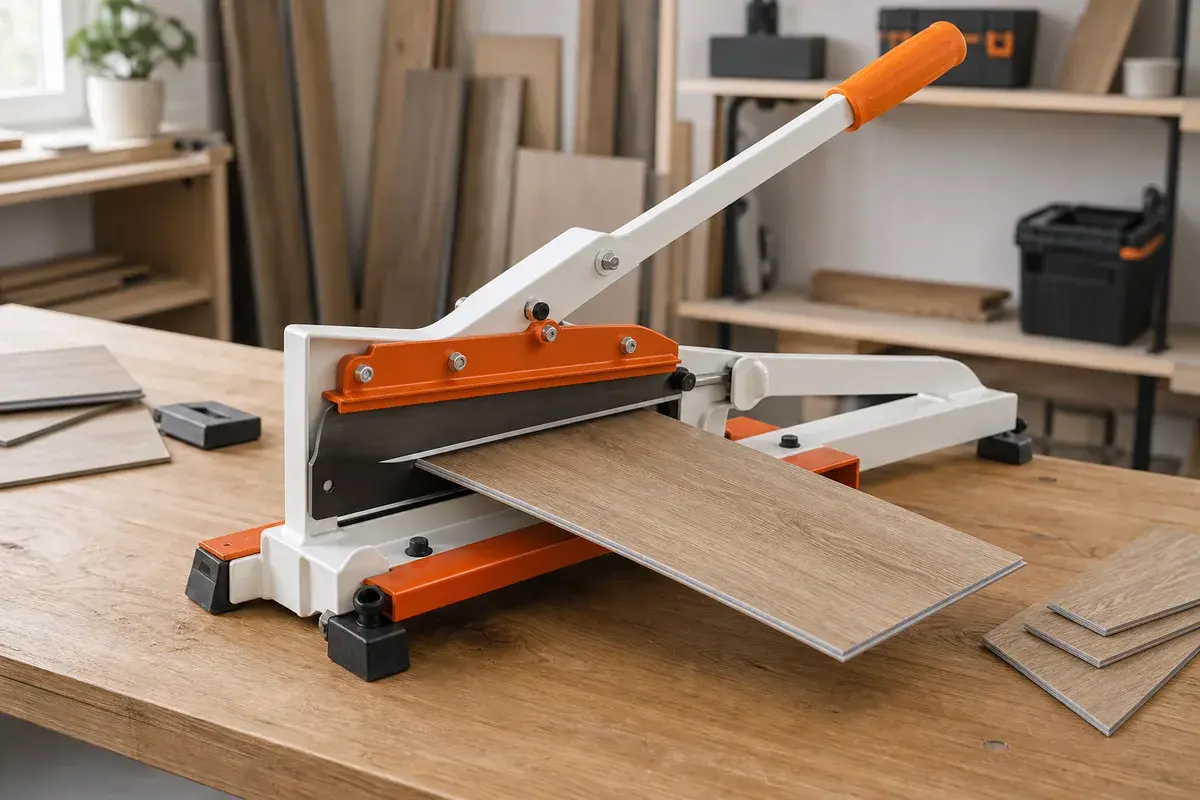
For repeated straight cuts
NAACOO 13-inch manual vinyl plank cutter
Paid link
A manual cutter option for flat LVP, LVT, laminate, and similar flooring. Confirm the listing thickness limit and your material before buying; formed stair-nose profiles may still require a saw.
Pricing is shown at the retailer.
Original category illustration. See the listing for current product photos and specifications.
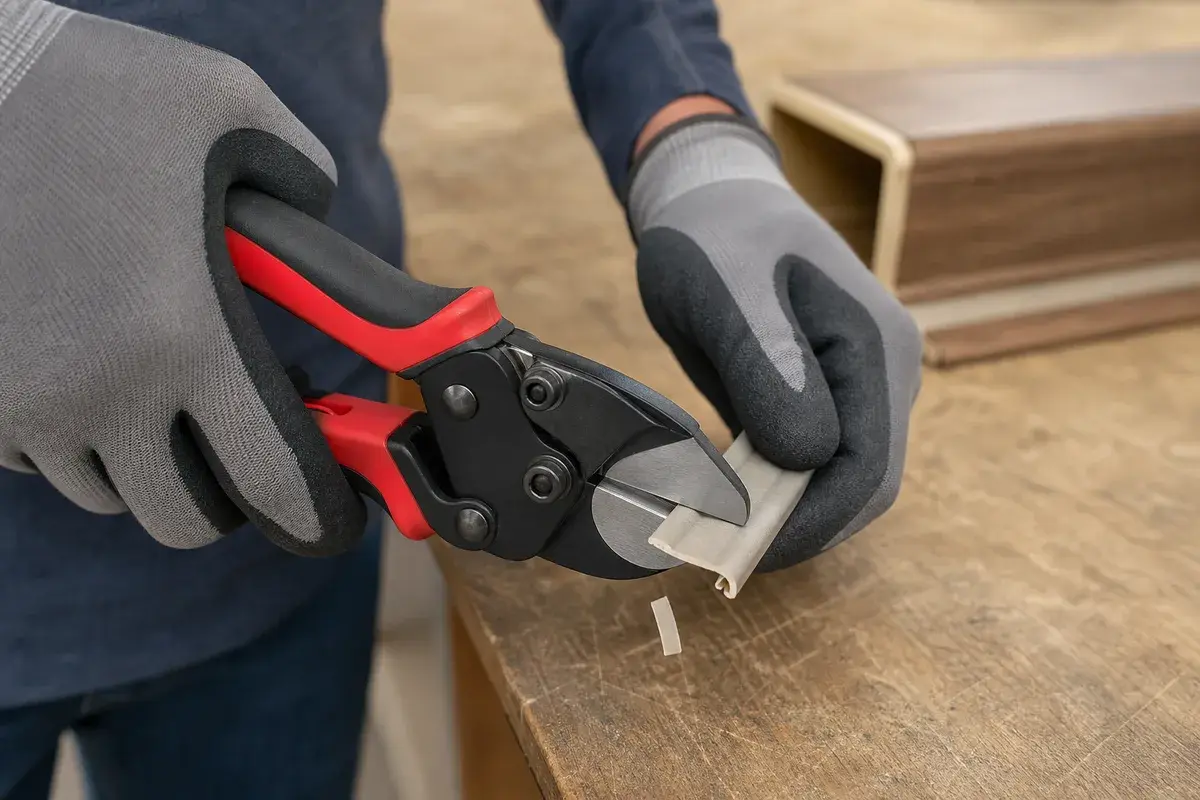
For small trim and detail cuts
Ronan Multi-Cut hand cutter
Paid link
A compact hand-cutter option for compatible vinyl or plastic detail work. It is not intended for full-width plank cuts or every thick, rigid stair-nose profile.
Pricing is shown at the retailer.
Original category illustration. See the listing for current product photos and specifications.
The Short Version
Installing LVP on stairs usually takes more than flooring planks and a stair nose. You need accurate measuring tools, clean cutting tools, the right adhesive, and a few items that keep the pieces from shifting while the adhesive cures.
For most DIY stair projects, start with these basics:
- Tape measure
- Pencil or fine marker
- Speed square or framing square
- Stair tread template or contour gauge for tricky cuts
- Utility knife or LVP flooring knife
- Fine-tooth saw blade, vinyl cutter, or miter saw setup for stair noses
- Caulk gun
- Stair nose adhesive or compatible construction adhesive
- Painter's tape or low-residue tape
- Knee pads, gloves, and eye protection
Shopping Summary
| Category | What to get | Shop |
|---|---|---|
| Measuring | Tape measure, speed square, contour gauge | Amazon |
| Cutting | Utility knife, fine-tooth blade or LVP cutter | See the two featured cutters (paid links) |
| Adhesive | Vinyl-compatible construction adhesive + caulk gun | Amazon |
| Holding | Painter's tape, tapping block, spacers | Amazon |
| Safety | Knee pads, gloves, eye protection | Amazon |
Measuring Tools
Good stair work starts with measurement. Stairs are often close to the same width, but not exactly the same width. Measure every step individually before cutting.
Useful shopping links:
If your stairs have walls that are not square, open sides, skirt boards, or old trim, a stair tread template or contour gauge can save time. These tools help transfer odd shapes onto the tread or stair nose before cutting.
Cutting Tools
For basic LVP plank cuts, a sharp utility knife and straight edge may be enough because many vinyl planks can be scored and snapped. Stair noses are different. Many are thicker, more rigid, and shaped, so they usually need a saw or cutter rated for the material.
Useful shopping links:
- NAACOO 13-inch manual vinyl plank cutter on Amazon (paid link)
- Ronan Multi-Cut hand cutter on Amazon (paid link)
- LVP cutting tools at Home Depot
- Flooring cutters at Lowe's
- Compare cutting tools for LVP stair nosing
For stair noses, look for a fine-tooth blade or a cutter that is specifically rated for vinyl plank, LVT, LVP, SPC, or similar material. Always test on a scrap piece before making visible finish cuts.
Adhesives and Holding Tools
The adhesive is not the place to guess. Stair noses take direct foot traffic and leverage at the step edge. Use an adhesive that is compatible with vinyl, rigid PVC, laminate, wood, and the substrate under your stairs.
Useful shopping links:
Painter's tape is also useful. After pressing the stair nose into adhesive, tape can help hold the piece in position while the adhesive begins to cure. Do not rely on tape as the structural fastener.
Installation Kits
Flooring installation kits usually include spacers, a tapping block, pull bar, and mallet. These are most useful for flat floor areas and landings. On stairs, they help with nearby plank installation, but they do not replace accurate stair measuring and cutting.
Useful shopping links:
- Flooring installation kits at Home Depot
- Flooring installation kits at Lowe's
- LVP installation kits on Amazon
Safety Gear
LVP stair work involves blades, adhesives, saw dust, kneeling, and tight cuts. At minimum, use eye protection, gloves that still allow careful handling, and knee pads. If you are cutting with a saw indoors, control dust and follow the tool manufacturer's instructions.
Useful shopping links:
What Not to Buy First
Do not buy a large quantity of adhesive or specialty blades until you know your stair nose material and substrate. A vinyl plank stair nose, rigid PVC stair nose, laminate stair nose, and wood stair tread can require different products.
Also avoid buying generic stair trim just because the color looks close online. Color, sheen, and profile matter on stairs. If your main issue is matching the stair nose to your floor, start with the flooring brand, color name, SKU, and a sample before buying tools for the final install.
Products Mentioned in This Article
Related Articles
How to Measure for LVP Stair Nosing (Step-by-Step)
Getting the right stair nose length starts with an accurate measurement. Here is exactly what to measure and how to choose the right length.
LVP Stair Noses for DIY Homeowners: A Complete Starter Guide
Installing LVP stair noses is a DIY-friendly project most homeowners can tackle in a weekend. Here's everything you need to know before you start.
Best Adhesive for LVP Stair Nosing: What Actually Holds
The right adhesive depends on your substrate, your stair-nose material, and the manufacturer instructions — not on which tube is best known. Here is how to read all three.