
Can You Use LVP Flooring on Stairs?
Tool options
Two cutters for different LVP stair jobs
Use the manual floor cutter for repeat straight cuts in compatible flat flooring. Use the hand cutter only for small detail cuts in material the tool can safely handle. Test scrap first.
Affiliate disclosure: Some links here are affiliate links marked "paid link". If you buy through one, StairMatch may earn a commission at no additional cost to you. As an Amazon Associate, StairMatch earns from qualifying purchases. Products are chosen on availability and how clearly their labels state compatibility - not on commission, and placement is not sold. Full disclosure.
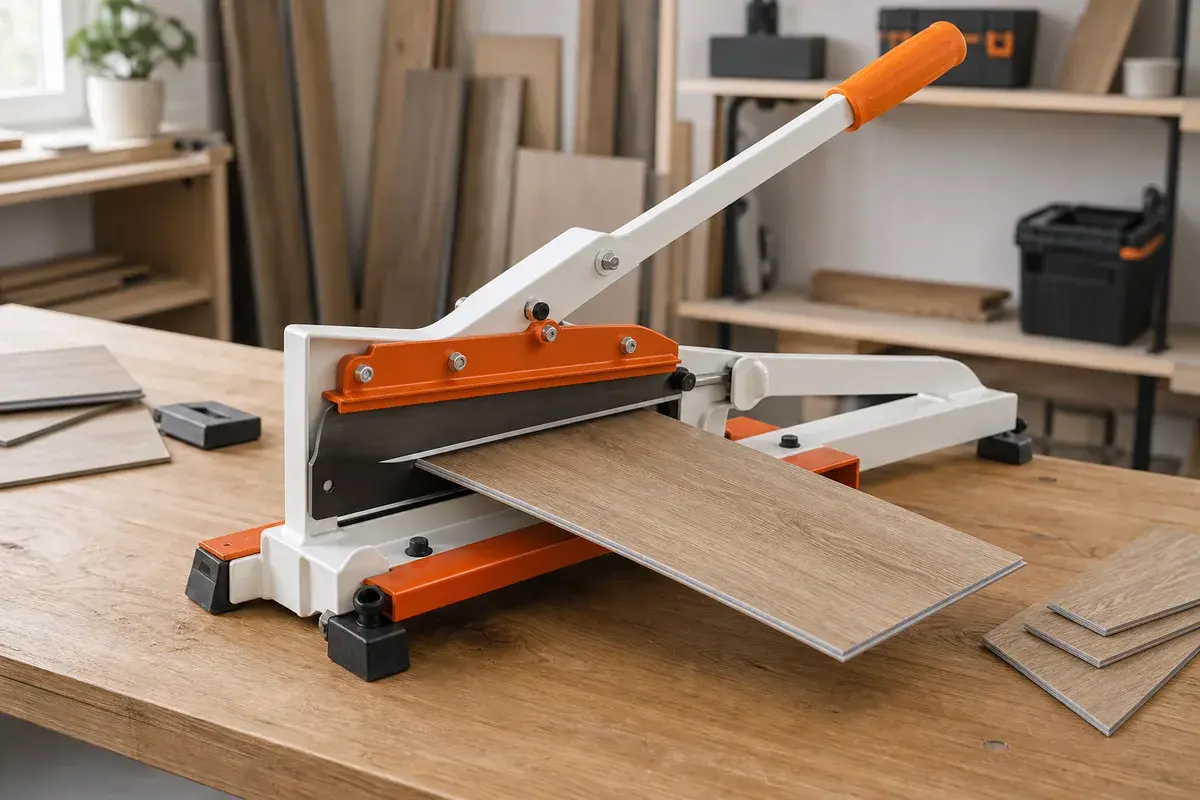
For repeated straight cuts
NAACOO 13-inch manual vinyl plank cutter
Paid link
A manual cutter option for flat LVP, LVT, laminate, and similar flooring. Confirm the listing thickness limit and your material before buying; formed stair-nose profiles may still require a saw.
Pricing is shown at the retailer.
Original category illustration. See the listing for current product photos and specifications.
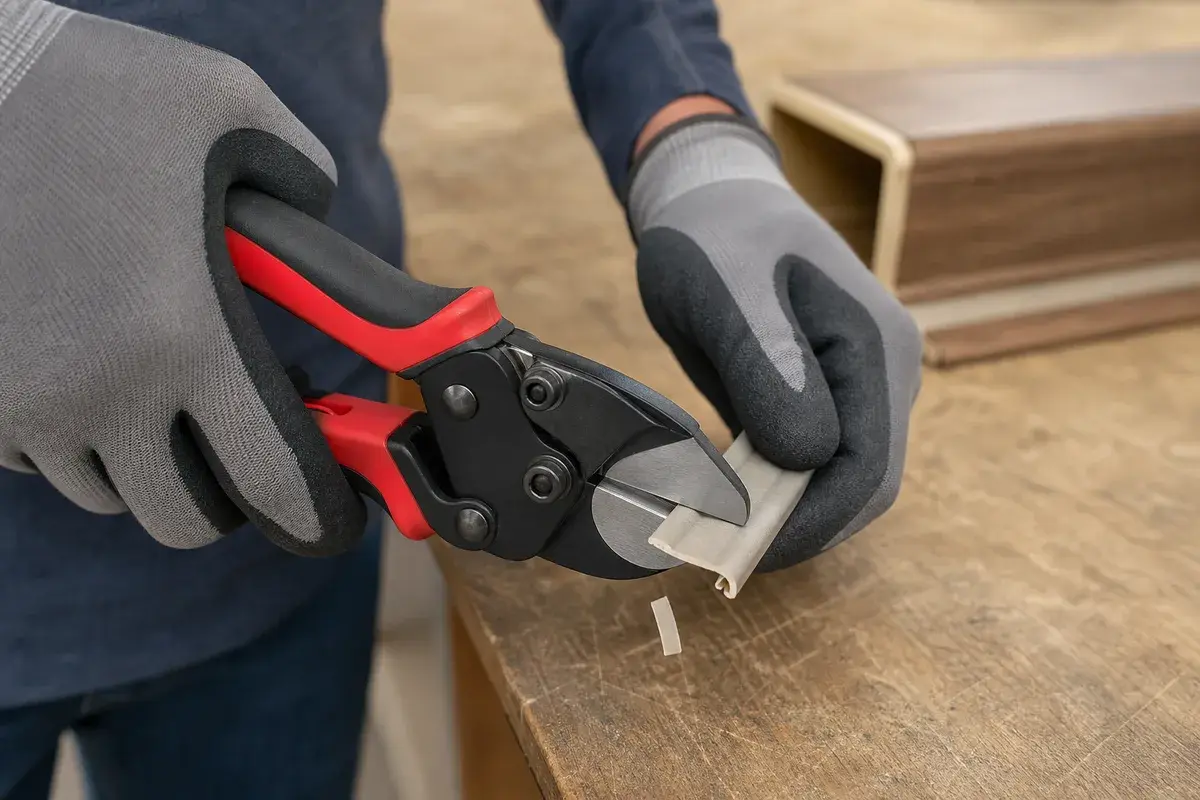
For small trim and detail cuts
Ronan Multi-Cut hand cutter
Paid link
A compact hand-cutter option for compatible vinyl or plastic detail work. It is not intended for full-width plank cuts or every thick, rigid stair-nose profile.
Pricing is shown at the retailer.
Original category illustration. See the listing for current product photos and specifications.
Yes, LVP Can Be Used on Stairs
Luxury vinyl plank is a great material for stairs. It's durable, waterproof, and easy to maintain. Many homeowners successfully install LVP on their staircases alongside or as part of a whole-home LVP renovation.
The First Decision Is Not the Flooring
The first real decision is whether your stairs need nose-only finishing or full tread coverage. If the tread surface is already finished and only the front edge needs to be solved, a custom stair nose is usually the right path. If the stairs are carpeted, worn, or visually mixed, a custom stair tread cover is usually the better fit.
The Key Difference: Stairs Require Trim Pieces
On a flat floor, LVP planks float and click together. On stairs, you cannot float LVP — each piece must be glued or fastened down to prevent movement under foot traffic. Additionally, the front edge of each stair tread requires a stair nose, which is a specialized trim piece not needed for flat floor installations.
Methods for Installing LVP on Stairs
Stair nose + adhesive: The most common method. LVP planks or tread covers are glued to the stair treads, and a matching stair nose is adhesive-installed on the nosing edge of each step.
Stair tread kits: Pre-cut tread covers that include the nosing piece and a tread cover in one assembly. These are simpler to install and give a very clean finish.
Bullnose pieces: Some installations use a bullnose (rounded-edge) cap piece on the riser face rather than a traditional stair nose. This works well for certain stair configurations.
Is LVP Slippery on Stairs?
Standard LVP can be slippery on stairs, especially with socks on a smooth surface. Look for LVP products with an embossed texture rather than a gloss finish, and consider adding a non-slip stair tread pad or runner for additional safety.
What Products Do I Need?
You'll need: LVP planks or tread covers for the tread surface, a matching stair nose for each step, and construction adhesive. StairMatch provides color-matched stair noses so the entire staircase matches your floor.
What to Gather Before You Ask for a Quote
- Floor brand, color, and SKU
- How many stairs are being covered
- Whether the stairs are closed, open-left, open-right, or double-open
- A photo of the full stair run and the top step
If you gather those details first, StairMatch can review whether your project should use stair nose only or a tread kit before quoting.
Not sure what fits your floor?
Tell StairMatch what flooring you already own and see the matching stair options on file, or send it for a custom match review.
Products Mentioned in This Article
Related Articles
Do I Need a Stair Nose on the Top Step?
The top step is often the most visible part of your staircase. Skipping the stair nose here is the most common finishing mistake homeowners make.
LVP Stair Noses for DIY Homeowners: A Complete Starter Guide
Installing LVP stair noses is a DIY-friendly project most homeowners can tackle in a weekend. Here's everything you need to know before you start.
7 Common Mistakes When Installing LVP on Stairs (And How to Avoid Them)
LVP stair installations fail more often than floor installations due to a handful of avoidable mistakes. Here are the most common ones and how to prevent them.